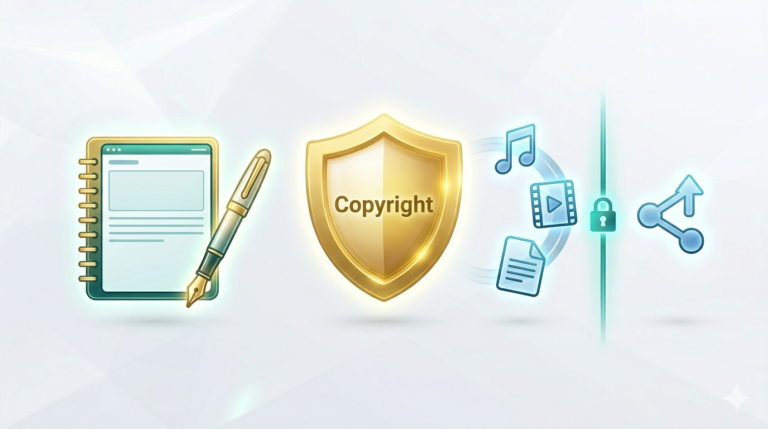
Copyright infringement is not just a legal concept but a growing global concern that directly impacts creativity, innovation, and fair use of intellectual property. In today’s fast-paced digital landscape, content is created, shared, and consumed at an unprecedented rate. From blogs and research papers to music, software, and social media posts, creative works constantly circulate across platforms and borders. While this accessibility has empowered creators and audiences alike, it has also significantly increased the risk of unauthorized use and misuse of original content commonly referred to as copyright infringement.
Creators invest substantial time, effort, and expertise into producing original work, making its protection both necessary and justified. However, with the rise of digital platforms, many individuals and organizations often unknowingly engage in activities that violate copyright laws.
This blog explores the concept of copyright infringement in detail, including its legal implications, common real-world examples, and the risks associated with violating copyright laws. It also provides practical guidance on how individuals and creators can protect their work and avoid unintentional infringement. Understanding these aspects is essential not only for safeguarding creative rights but also for promoting ethical and lawful use of content in the digital era.
What is Copyright Infringement?
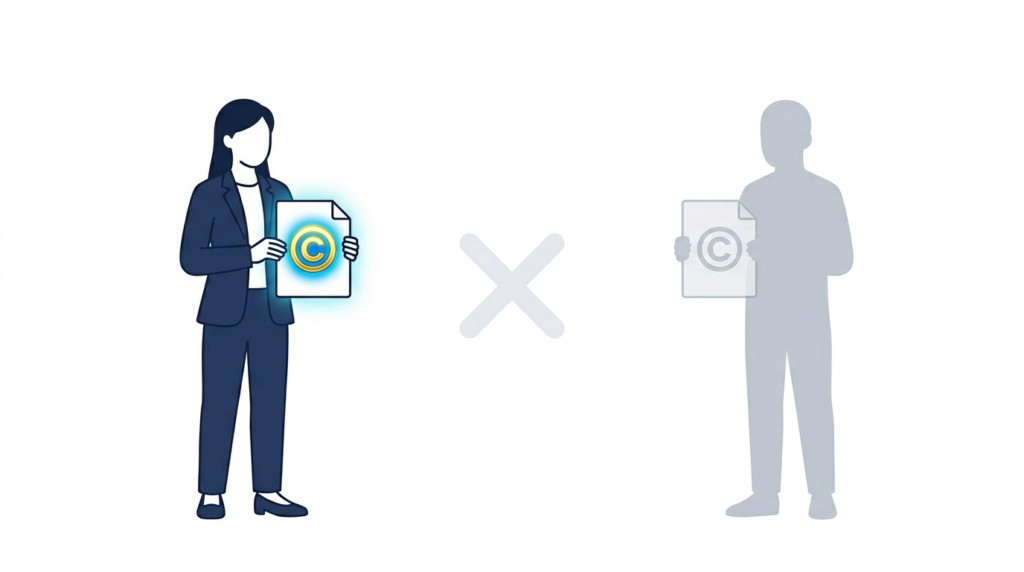
Copyright infringement refers to the unauthorized use, reproduction, distribution, public performance, or display of a copyrighted work without obtaining permission from the rightful owner. Copyright law provides creators with a bundle of exclusive rights over their original works, enabling them to control how their creations are used, shared, or commercially exploited. These rights typically include the right to reproduce the work, distribute copies, create derivative works, and communicate the work to the public.
When any of these rights are violated without authorization whether intentionally or unintentionally it constitutes copyright infringement. This violation can occur in various forms, such as copying written content, using images without a license, distributing pirated software, or uploading copyrighted videos without consent. Importantly, infringement is not limited to commercial use; even non-commercial or personal use can be considered unlawful if it does not fall within permitted exceptions under the law.
In simple terms, copyright infringement occurs when someone uses another person’s original work without permission in a way that the law reserves exclusively for the copyright holder. For example, copying and pasting content from a website into your own blog, downloading movies from unauthorized sources, or using copyrighted music in videos without proper licensing are all common instances of infringement.
It is also important to note that lack of awareness is not a valid defence in most cases. Many people mistakenly believe that giving credit to the original creator is enough to avoid infringement. While attribution is ethically important, it does not replace the need for permission unless the use falls under specific legal exceptions such as fair use. Therefore, understanding what constitutes copyright infringement is essential for both creators, who seek to protect their work, and users, who must ensure they do not violate intellectual property rights.
What Does Copyright Protect?
Copyright law provides protection to a wide range of original creative works, ensuring that creators have exclusive rights over how their work is used, reproduced, and distributed. These protections apply as soon as a work is created and expressed in a tangible form. Some of the प्रमुख categories of works protected under copyright include:
- Literary works (books, articles, blogs):
This category includes written content such as novels, academic papers, blog posts, reports, and even website content. Copyright protects the way ideas are expressed through words, structure, and presentation, preventing others from copying or reproducing the material without permission. - Musical compositions:
Copyright covers both the musical notes (melody, harmony) and, in many cases, the accompanying lyrics. This means that songs, background scores, and compositions cannot be used, performed, or reproduced without proper authorization from the creator or rights holder. - Films and videos:
Cinematographic works, including movies, documentaries, web series, and online videos, are protected as complete audiovisual creations. This includes not only the visuals but also the sound, script, and overall production, making unauthorized copying or sharing a violation of copyright law. - Software and computer programs:
Computer programs, applications, and software codes are also protected as literary works. This ensures that developers retain control over the use, modification, and distribution of their software, preventing piracy and unauthorized duplication. - Artistic works (paintings, photographs, graphics):
This includes visual creations such as paintings, drawings, photographs, illustrations, logos, and digital graphics. Copyright ensures that artists maintain ownership over their visual expressions and can control how their work is displayed or reproduced.
It is important to note that copyright does not protect ideas, concepts, or facts themselves—it only protects the expression of those ideas. For example, the idea of writing a story about friendship is not protected, but the specific way an author writes and presents that story is protected. This distinction is essential, as it encourages creativity while allowing others the freedom to build upon general ideas in their own original way.
Types of Copyright Infringement
Copyright infringement can take multiple forms depending on how the protected work is used and the role played by the person involved. Understanding these types helps in identifying violations more clearly and avoiding unintentional legal risks.
- Direct Infringement
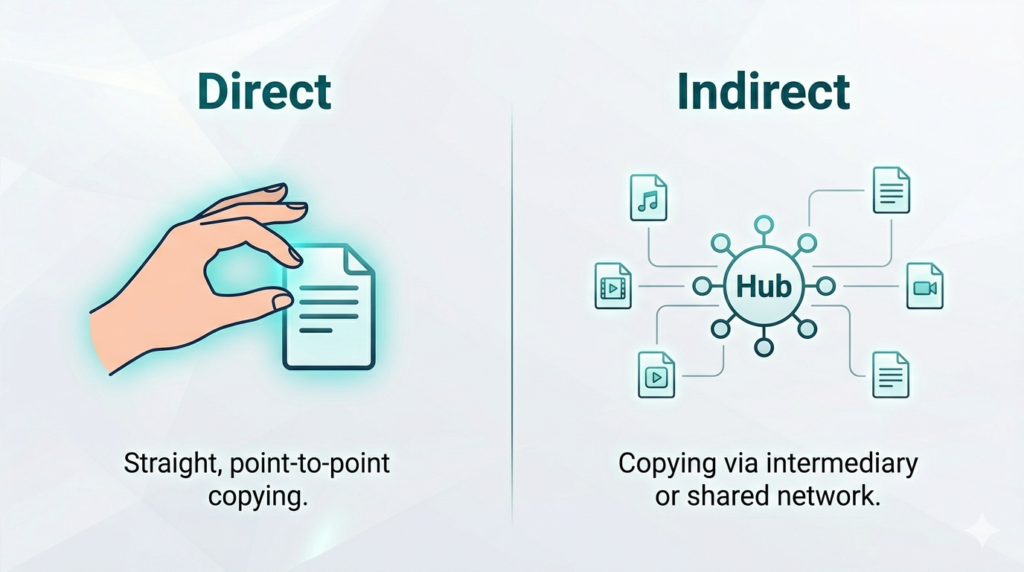
Direct infringement occurs when an individual or entity directly engages in the unauthorized use of copyrighted material without obtaining permission from the copyright owner. This is the most straightforward and commonly recognized form of infringement. It involves acts such as copying, reproducing, distributing, performing, or displaying a work in a manner that violates the exclusive rights of the creator.
For example, copying content from a book or website and publishing it as your own, using copyrighted images in a project without a license, or reproducing a film without authorization are all instances of direct infringement. In such cases, the person committing the act is directly responsible for the violation, regardless of whether the infringement was intentional or due to lack of awareness
2. Indirect or Secondary Infringement
Indirect or secondary infringement arises when a person or organization contributes to, enables, or benefits from the infringing activities of others, even if they are not directly copying or using the copyrighted work themselves. This type of infringement recognizes that liability can extend beyond the primary infringer to those who facilitate or support the violation.
Common examples include hosting or operating platforms that allow users to upload pirated content, distributing devices or software designed to bypass copyright protections, or knowingly allowing copyrighted material to be shared illegally. Even providing access, infrastructure, or encouragement for such activities can result in legal responsibility. This form of infringement is particularly relevant in the digital ecosystem, where intermediaries play a major role in content distribution.
3. Digital Infringement
Digital infringement refers specifically to copyright violations that occur through digital platforms and online channels. With the widespread use of the internet, this has become one of the most prevalent forms of infringement. It involves the unauthorized downloading, uploading, streaming, or sharing of copyrighted content such as movies, music, e-books, software, and online courses.
Examples include downloading movies from illegal websites, sharing paid software without a license, uploading copyrighted videos on social media platforms without permission, or distributing digital copies of books in online groups. Digital infringement is often perceived as less serious due to its ease and accessibility; however, it carries the same legal consequences as traditional forms of infringement.
Overall, these different types of copyright infringement highlight that violations can occur not only through direct actions but also through indirect involvement and digital activities. Recognizing these distinctions is essential for individuals and organizations to ensure compliance with copyright laws and to promote ethical use of creative content.
Common Examples of Copyright Infringement
Downloading movies or songs from illegal websites
Copy-pasting content from blogs without attribution
Using copyrighted images without permission
Sharing paid software without a license
Uploading someone else’s video content on social media
These actions may seem harmless but can have serious legal consequences.
Legal Consequences of Copyright Infringement
Copyright infringement can lead to both civil and criminal penalties:
Monetary fines and damages
Injunctions to stop usage
Confiscation of infringing materials
In some cases, imprisonment
The severity depends on factors such as intent, scale, and commercial gain.
Copyright Infringement in the Digital Age
The internet has made content sharing easier, but it has also increased the risk of infringement. Social media platforms, websites, and digital tools enable rapid distribution, often without proper authorization.
Challenges include:
Difficulty in tracking violations
Cross-border enforcement issues
Misunderstanding of “fair use”
Fair Use and Exceptions
Not all use of copyrighted content is illegal. Certain exceptions exist under copyright law, such as:
- Educational use
- Research purposes
- Criticism or review
- News reporting
However, fair use is limited and depends on factors like purpose, nature, and impact on the original work.
How to Avoid Copyright Infringement
Always seek permission before using content
Use royalty-free or licensed materials
Give proper credit to creators
Avoid downloading pirated content
Understand copyright laws applicable in your region
How to Protect Your Own Work
Creators can safeguard their work by:
- Registering copyright (where applicable)
- Using watermarks or digital signatures
- Publishing with clear copyright notices
- Monitoring unauthorized use online
Role of Technology in Copyright Protection
In the digital era, technology plays a crucial role in both detecting and preventing copyright infringement. As the volume of online content continues to grow, manual monitoring has become impractical, making advanced technological solutions essential for protecting intellectual property rights.
Modern tools help detect and prevent infringement:
- One of the most widely used tools is Content ID systems, which are implemented by digital platforms to automatically identify copyrighted material. These systems scan uploaded content—such as videos, music, or images—and compare it against a database of registered works. If a match is found, the system can block the content, track its usage, or allow the copyright owner to monetize it.
- Another important mechanism is Digital Rights Management (DRM), which involves the use of encryption and access-control technologies to restrict how digital content is used, copied, or distributed. DRM is commonly applied to e-books, software, music, and streaming services, ensuring that only authorized users can access or share the content under specific conditions.
- Additionally, AI-based plagiarism detection tools have become increasingly effective in identifying copied or substantially similar content. These tools are widely used in academic, professional, and publishing environments to ensure originality and maintain content integrity. Together, these technologies are transforming the landscape of copyright protection. By enabling real-time monitoring, automated enforcement, and efficient detection of unauthorized use, they help creators safeguard their work while promoting a more transparent and accountable digital ecosystem.
Conclusion
Copyright infringement is not merely a legal violation—it is a challenge that directly impacts creativity, innovation, and the integrity of intellectual work. In an era where digital content is easily accessible and widely shared, the line between fair use and infringement is often misunderstood or overlooked. This makes it increasingly important for individuals, businesses, and organizations to be aware of their responsibilities when using creative content.
Respecting copyright is essential for ensuring that creators receive proper recognition and economic benefit from their work. At the same time, it fosters an environment where originality and innovation can thrive without the fear of misuse or exploitation. By understanding the scope of copyright laws, identifying potential infringements, and adhering to ethical content practices, users can avoid legal consequences while contributing to a more responsible digital ecosystem.
Ultimately, protecting intellectual property is a shared responsibility. Whether you are a creator safeguarding your work or a user engaging with content, informed and lawful practices are key to maintaining trust, fairness, and sustainability in the creative world.
Final Thoughts
In today’s digital age, respecting copyright is essential for protecting creativity and avoiding legal risks. Understanding infringement, using content responsibly, and safeguarding original work help maintain fairness and innovation. By promoting ethical practices and awareness of intellectual property rights, individuals and organizations can contribute to a more responsible, creative, and legally compliant digital environment for everyone.